Overview
1h 39m available with multiple audio tracks and subtitles.
Cast & Crew
21 members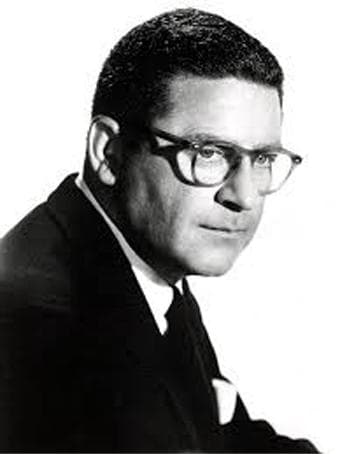
Mark Robson
Director
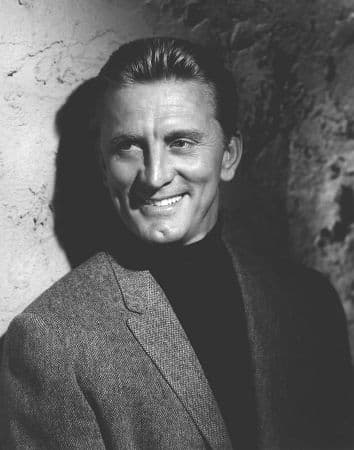
Kirk Douglas
Midge
1h 39m available with multiple audio tracks and subtitles.
Mark Robson
Director
Kirk Douglas
Midge
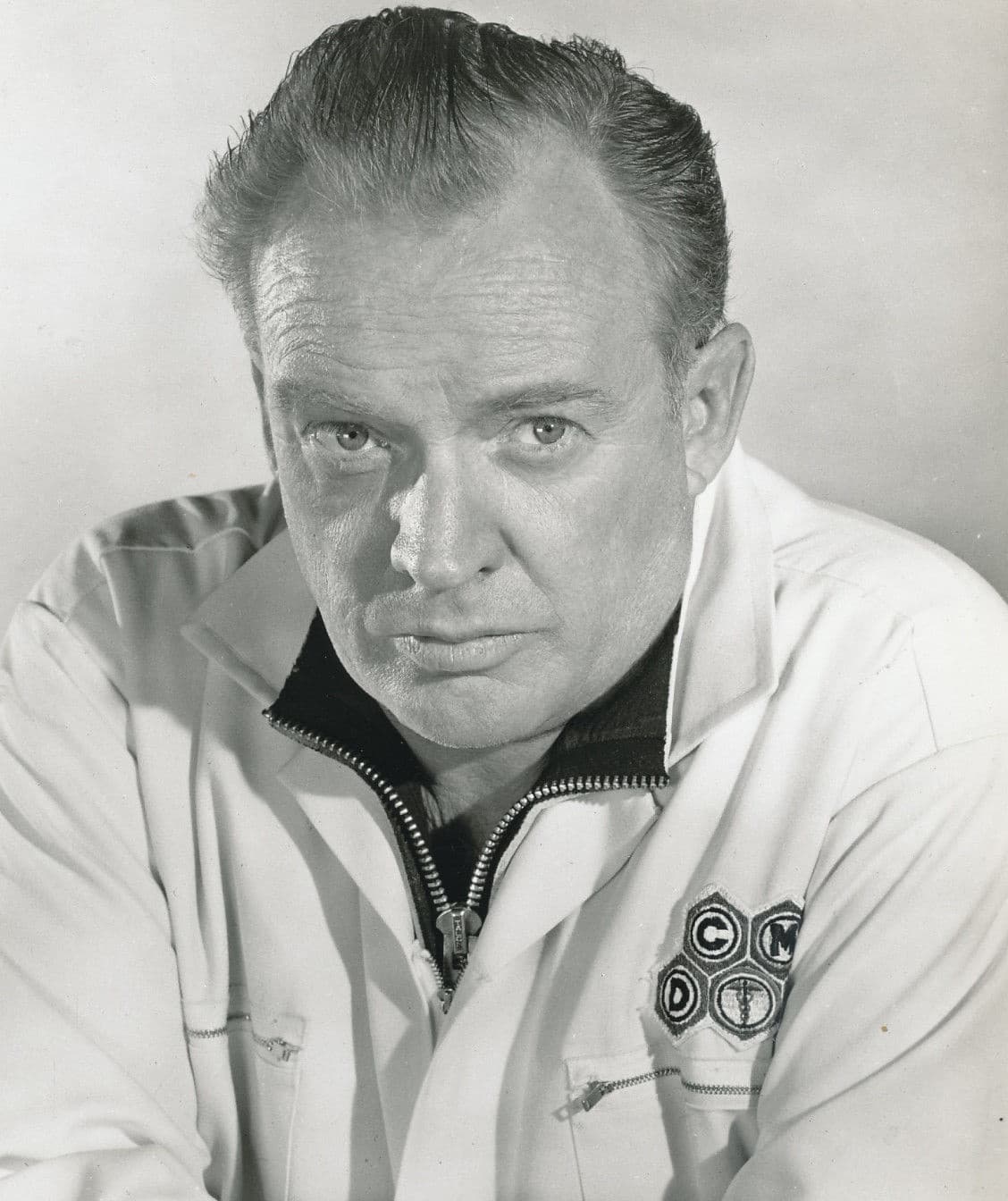
Arthur Kennedy
Connie
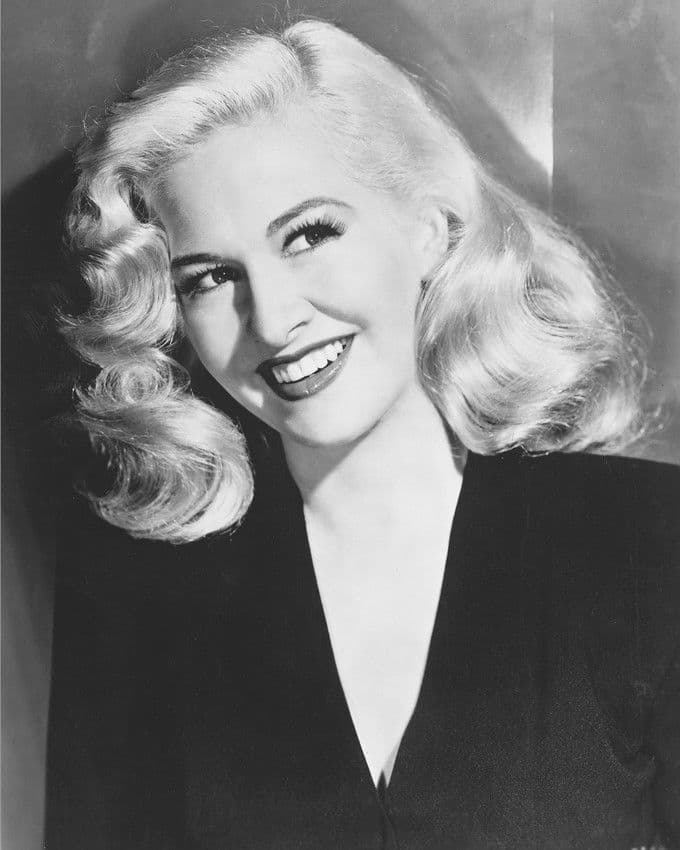
Marilyn Maxwell
Grace
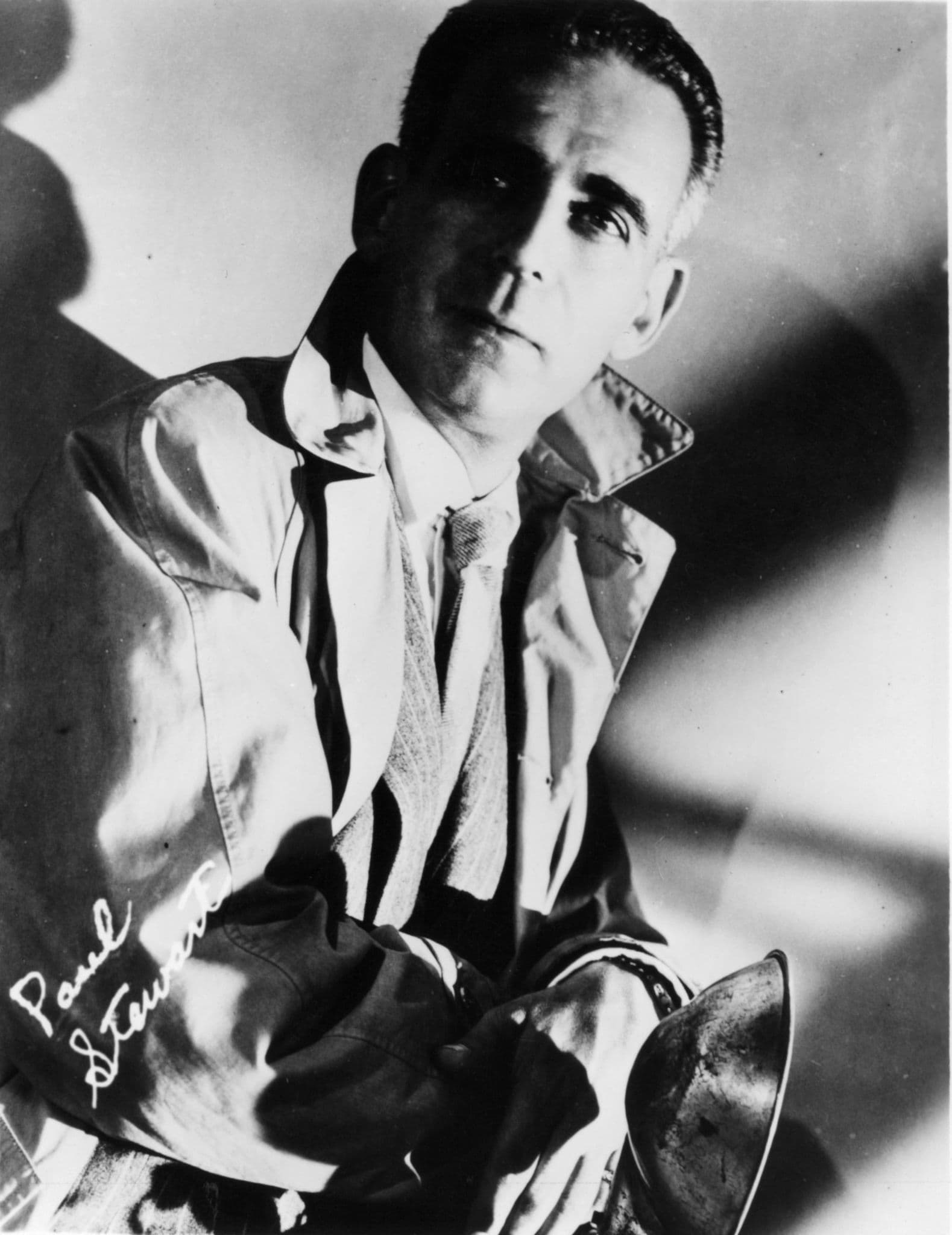
Paul Stewart
Haley
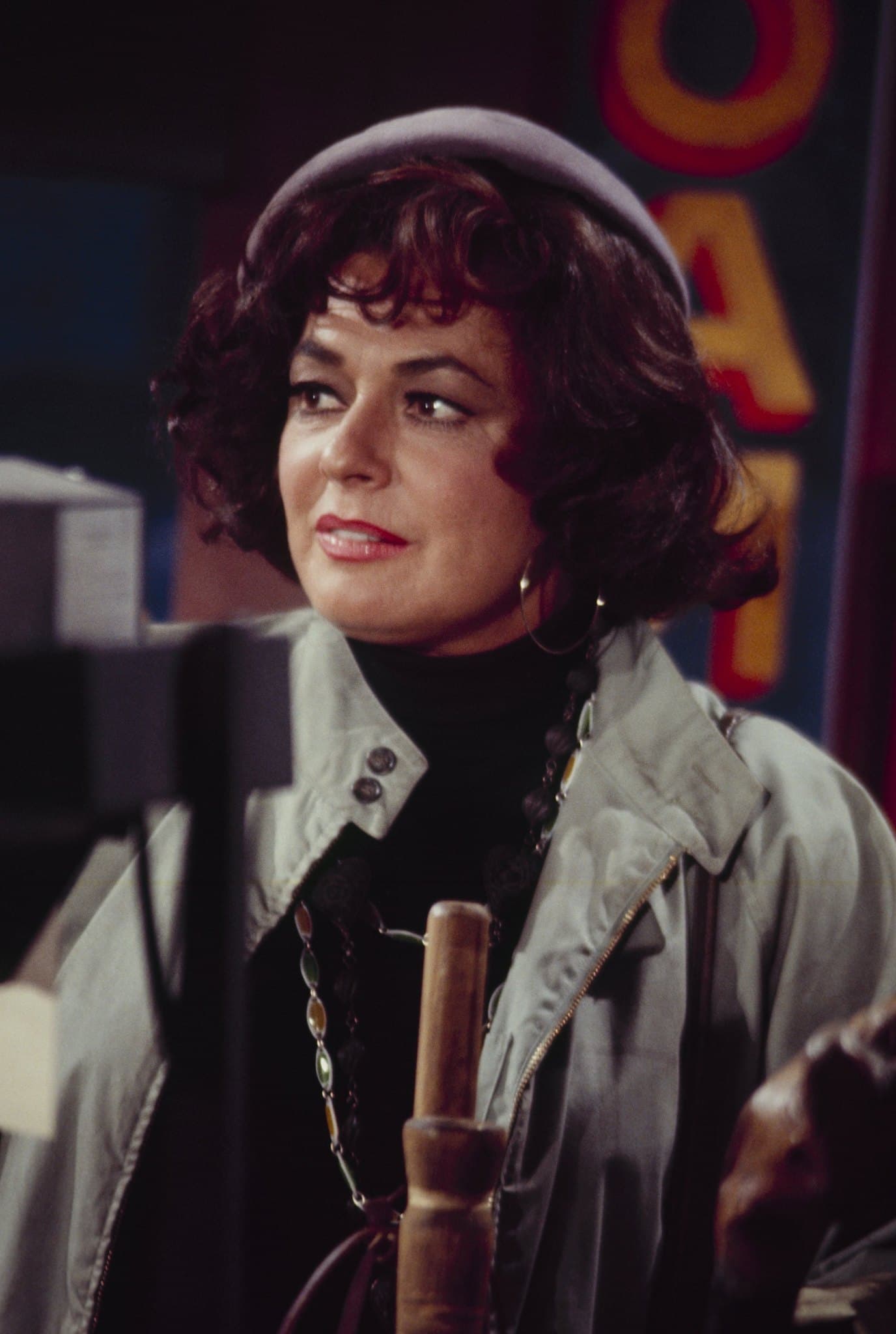
Ruth Roman
Emma

Lola Albright
Palmer
Luis Van Rooten
Harris

Christ Activist
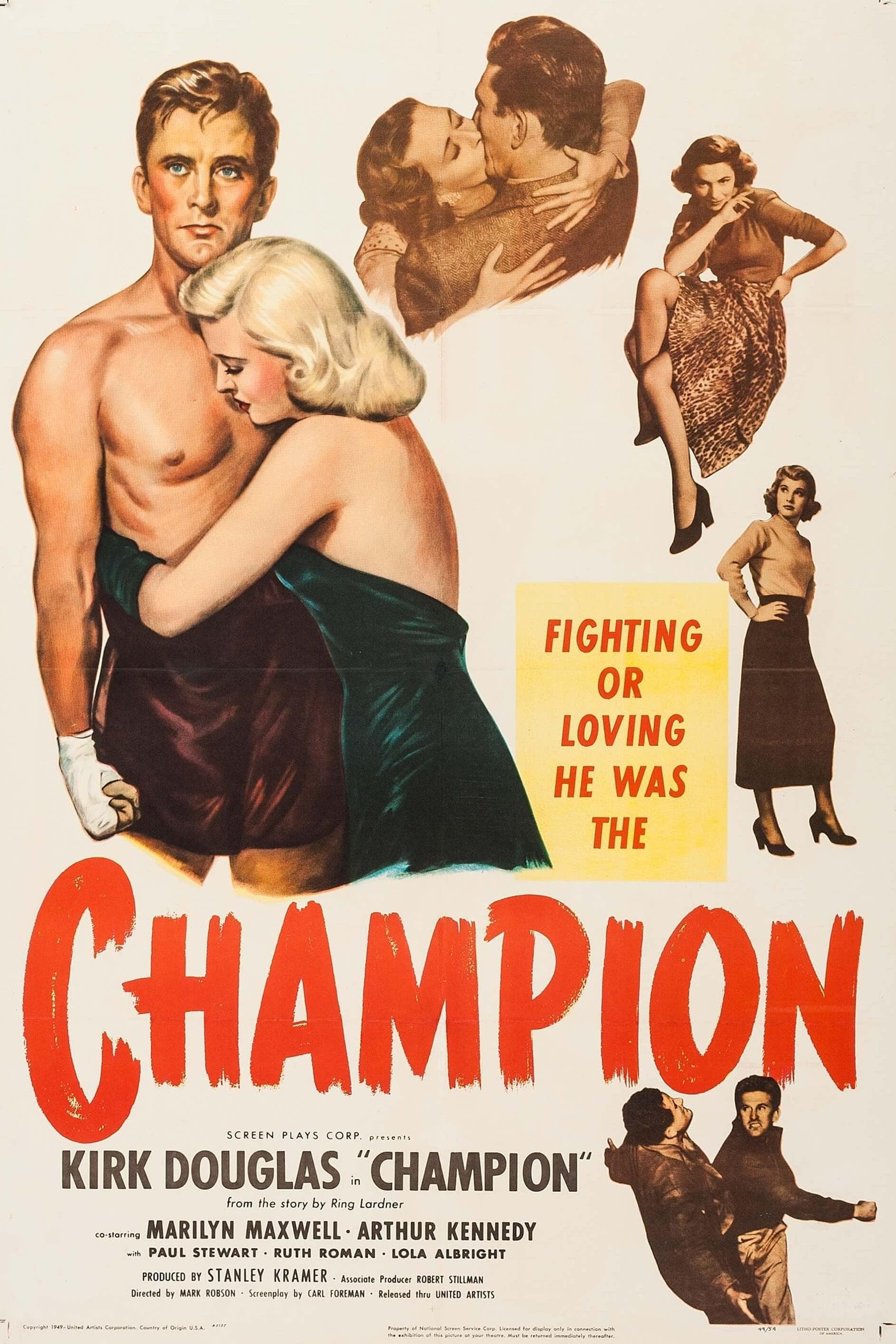
Sep 17, 2024While traveling to California in a cargo wagon, the clandestine Michael "Midge" Kelly (Kirk Douglas) and his crippled brother Connie Kelly (Arthur Kennedy) are robbed and thrown off the train. They hitchhike and get a lift from the famous boxer Johnny Dunne (John Daheim), who is traveling with his mistress Grace Diamond (Marilyn Maxwell) to Kansas City for a fight. They explain that they have bought a share in a restaurant. In Kansas City, Midge gets in trouble while seeking a job and is invited to fight box for 35 dollars. He takes a beat and the promoter pays only 10 dollars to him, but the trainer Tommy Haley (Paul Stewart) invites Midge to go to his gym in Los Angeles to be trained in box. When the brothers arrive at the restaurant, they learn that they have been cheated in the business and the owner Lew Bryce (Harry Shannon) hires them to work in the restaurant waiting table and washing dishes. Soon Midge seduces Lew's daughter Emma Bryce (Ruth Roman) and when her father finds their affair, Emma with Midge are forced to get married to each other. However Midge decides to flee to seek out Tommy and leaves Emma alone after the wedding. He learns how to fight with Tommy and defeats several fighters. When he is scheduled to fight Johnny Dunne, the organized crime orders him to lose the fight. However Midge defeats Dunne and is black-listed and can not fight any more. But Grace convinces him to leave Tommy and be managed by Jerome Harris (Luis Van Rooten), who is connected to the crime world. Now Midge begins a successful career betraying his friends and stepping on women, including Harris' wife Palmer Harris (Lola Albright). How far will he go to make money and be champion? "Champion" is an awarded film-noir based on the story of an ambitious boxer that is capable to betray friend to climb in his career reaching fame and money. The direction and performances are excellent with good choreography in the fights, and the film was awarded in Film Editing category (Oscar) and Best Cinematography (Golden Globe). In addition, it achieved several nominations. My vote is seven. Title (Brazil): "O Invencível" ("The Invincible")

OwenJay👑
Sep 17, 2024Douglas must have felt this film was his big chance at a starring role. His intensity is bruising and as riveting as Cagney in 'White Heat' or Pacino in 'Scarface'. Imagine what Kirk Douglas would have done with the part of Gordon Gekko in 'Wall Street'! I was disappointed that the character Midge Kelly was never convincing as a skilled boxer. He never slips a single punch, never shows any footwork, never shows any combinations. In the training sequences you see him skip roping expertly with speed & timing, but whenever he gets in the ring he just walks straight toward his opponent with no bobbing or weaving, taking 2 or 3 hits to deliver 1. In a real fight he would have been taken out in the first round. I noticed that early in the movie before Midge becomes a boxer, he gets in the ring out of desperation for some quick money and gets beaten badly. The boxer who skillfully beats him to a pulp looks very much like Courtland Shepard, who played boxer Tony Zale vs Paul Newman's Rocky Graziano in 'Somebody Up There Likes Me' Unfortunately, this boxer-actor, who actually has a spoken line, is never credited.

A.K.M ✪
Sep 17, 2024spoilers 1949's "Champion" explores this idea, and does it with a straightforward economy of style typical of the noir style. I'm not sure if I'd go all the way and label it noir - like Robert Wise's "The Set-Up" it feels like too much of a boxing film for me to do that, but it does come awfully close. There are echoes of Howard Hawks' "Scarface" in "Champion", what with a lower class boy coming to power through violence and force of will. However, Kirk Douglas does it through reputable, official violence. On the other hand, although Midge Kelley distances himself from his family, Tony Camonte keeps his family close - the difference that it makes is that in the end, when both larger than life figures are near the end, Tony Camonte has his sister fighting by his side, whereas Midge has no one and nothing but madness. The Director, Mark Robson, manages to make Midge's slow removal into being an asshole and a money-centered jerk convincing. You can't tell at first, but all the clues are there. It's a natural development, and really it is quite amazing to think back that this man, who does these awful things, started out so charming and sincere. All in all, well-done. The cinematography is great, too.

Sebrin
Sep 17, 2024During the three years just following World War II, Kirk Douglas had completed seven feature films. He already had caught the attention of key motion picture executives, such as producer Hal Wallis. Success was gradually coming Douglas' way. But, with "Champion", like a sudden knockout punch, Douglas instantly achieved his lofty aim. In this low-budget film gem, populated by outstanding character portrayals, Kirk Douglas' performance as boxer Midge Kelly is the bravura centerpiece. Though the multi-textured character of Kelly, as created by Ring Lardner in his short story, lends itself to a strong performance, it is Douglas who lifts the character into the stratosphere. At age 33, and having been a wrestler while attending New York's St. Lawrence University a decade earlier, Douglas still possessed the phyical tools for this role. His work in the fight and training scenes are accurate and strongly believeable. But it is his performance as Midge Kelly the individual that is stunningly riveting. During "Champion", Douglas becomes the character until it is virtually impossible to separate actor and role. He eagerly assimilates Kelly's various nuances and attitudes. Passion has always been a Kirk Douglas hallmark. Never has he been so powerfully passionate as in this performance. Contemporary audiences may like to compare the screen work of son, Michael, with that of his father. But after seeing Kirk Douglas' unforgettable performance in "Champion", comparisons fade. In his biography, "Ragman's Son," Douglas tells of watching a screening of "Champion" in the home of a studio mogul who had invited numerous people unknown to the actor...who himself was unknown to the guests. After the screening, Douglas relates, the guests---as one---turned back toward him with overwhelmed expressions. They now had a startled new knowledge of the young actor whose presence at the back of the room they only vaguely had acknowledged. Joining Douglas, with excellent performances of their own, were Paul Stewart, Marilyn Maxwell, Luis Van Ruten, Ruth Roman, John Day, Arthur Kennedy and Lola Albright. Each was highly believeable. Even if Carl Foreman's adaptation of Lardner's story was sometimes predictable, the combination of Douglas' volatile performance, and the high-calibre work of the supporting actors make "Champion" a mini-masterpiece.