Overview
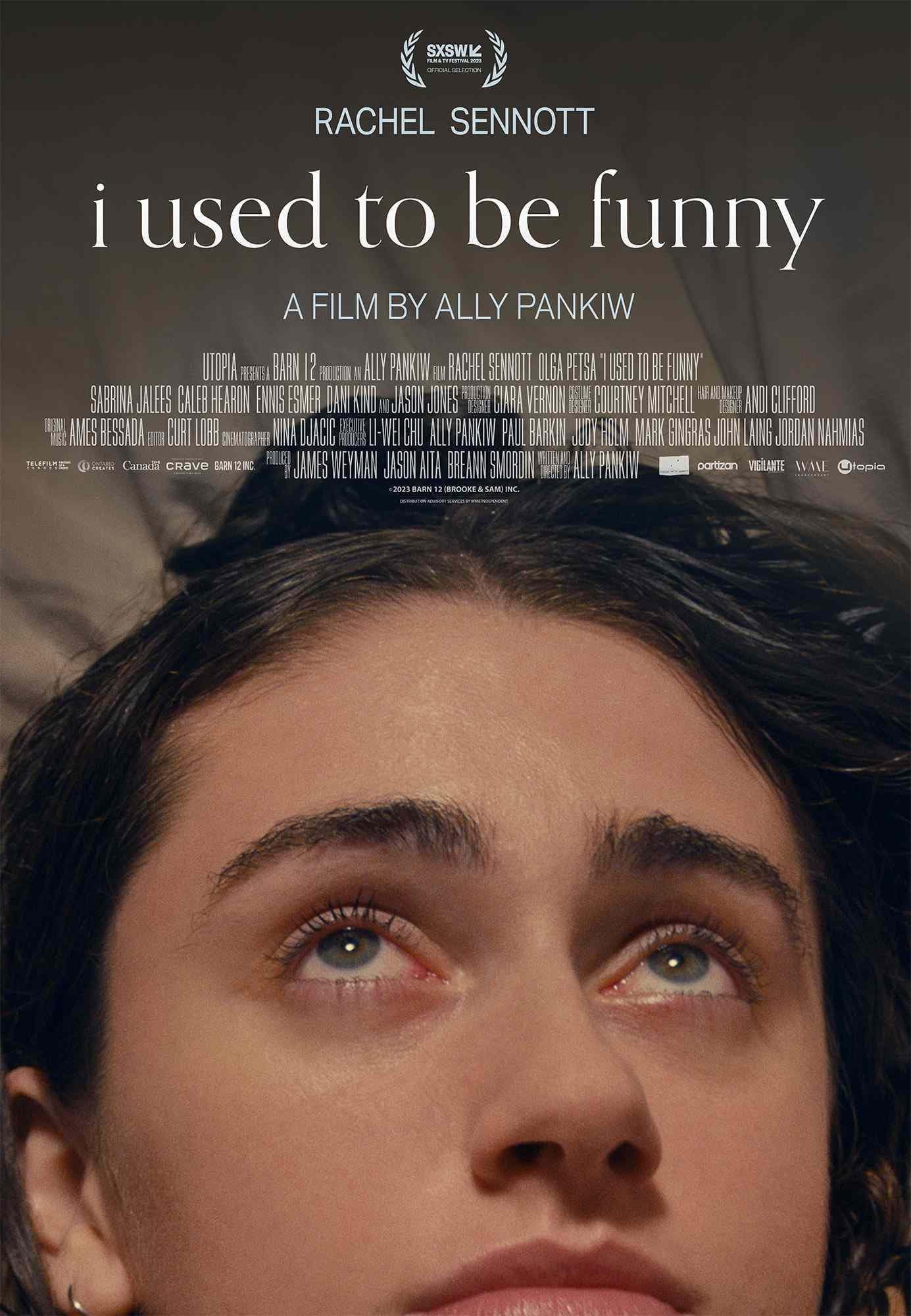
1h 45m available with multiple audio tracks and subtitles.
Cast & Crew
20 members
Ally Pankiw
Director

Rachel Sennott
Sam Cowell

Olga Petsa
Brooke Renner
1h 45m available with multiple audio tracks and subtitles.
Ally Pankiw
Director
Rachel Sennott
Sam Cowell
Olga Petsa
Brooke Renner
Jason Jones
Cameron Renner

Sabrina Jalees
Paige

Caleb Hearon
Philip

Ennis Esmer
Noah

Dani Kind
Jill

Pradeepthenext
Nov 24, 2024Definitely a "new gen" kind of rythm movie. It has that type of comedy that you only get if you are familiarized with topics like feminism, drugs and family issues, which at the end is the center of the movie, where by the way, Rachel Sennott plays a wonderful acting. Personally, I found the plot very touching and moving with the resource of flashbacks, elevating the interest for the story, the characters and their personal burdens. Overall a beautiful film, with two beautiful performances by Rachel Sennott and Olga Petsa. Although I would say this is not a comedy film, just have some touches of it.
Khawla Elhami
Nov 24, 2024I find the back and forth between past and present extremely unnecessary. It tries so hard to be 'mysterious' with its story telling but it ended up being excruciatingly cheesy and predictable. It's not as groundbreaking and profound as it think it did. Although there are some funny moments, there's a significant imbalance between the poignant drama and the comedy. It fails to smoothly blend the two, and ended up being awkward and sometimes cringe. I'm a massive fan of Sennott, and unfortunately her alone cannot carry the whole film. Ironically the only funny character, among dozens of stand up comedians.

مولات الخضرة 🥗🥬🥦🍇🍎🌶🔥
Nov 24, 2024Ally Pankiw's feature debut "I Used to be Funny" competently explores fragile experiences of depression and PSTD, recovering from assault, and child endangerment with a tame dose of fragile drama, sprinkled with witty humour. Pankiw's choice to present the story through sequencing between Sam's mission to find a missing Brooke, the young girl she nannied, and frequent flashbacks of memories of the two's once-close bond. While the concept of a non-linear narrative is meant to efficiently expand the dynamics and pasts of the characters and their journeys, which it technically achieves for the majority of the film. The beginning of this sequence felt static as the vague nature that shrouded the connection between Sam, her trauma, and her past with Brooke, overstayed its welcome in the first third of the story. However, the pace thankfully accelerates once the first clues of Brooke's disappearance are uncovered. Some elements of the film at times, lean too hard into melodrama that lacks actual substance, especially in the vague and unmoving first third of the film. Cuts to some flashbacks that felt somewhat cliche a script that at times felt too expository, and perhaps two-too-many Phoebe Bridgers needle drops; tools that ask the audience to engage with the characters and the mysterious tragedy that haunts them. These elements may have been appropriate in the context of a television episode, considering Pankiw's background in TV direction, but unfortunately fell flat within a full-length feature film. Amidst these faults, one of the film's greatest strengths is its talented cast. Rachel Sennott's has not only cemented herself as a star of off-beat and relatable comedy but also demonstrated a striking capacity for performances filled with intense vulnerability, harmoniously embodying all relevant elements of the tragicomedy genre. Her ability to foster chemistry with the rest of the cast only adds further dimension to the sorrow and humor that defines her character's journey. Overall, I Used to Be Funny poses an intimate image of how trauma can take control of our lives and sense of self-worth. While bleak, the potential for healing is also presented as the empathetic and hopeful conclusion to Sam and Brooke's journey. While the film's approach at times lacks the ingenuity and impact it clearly intended to bring, it remains that Pankiw's strength lies in how she stays firm with the difficult themes and issues she addresses.

user366274153422
Nov 24, 2024Comedy is inherent in calling on personal experiences for a joke. Humor is a defense mechanism and a willing tool to break the ice and even recover. Comedy is healing and is used significantly in the film I Used To Be Funny. In a somewhat dark comedy set against the backdrop of the #MeToo era, the film stars Rachel Sennott as a struggling comic battling PTSD who takes part in a search for a missing girl she used to nanny. The film tackles heavy subject matter with airy deftness, and what ties it together is Sennott's arresting performance. In an edgy and humorous film, I Used To Be Funny takes center stage as one of the year's best. Full review @ Geek Vibes Network.