Overview
1h 15m available with multiple audio tracks and subtitles.
Cast & Crew
22 members
Ida Lupino
Director
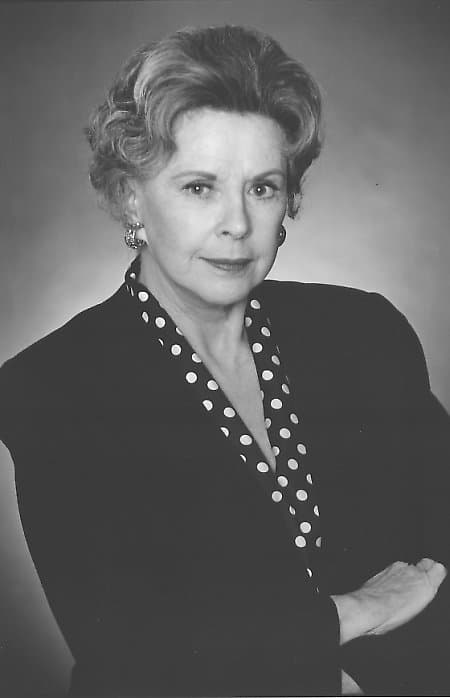
Mala Powers
Ann Walton
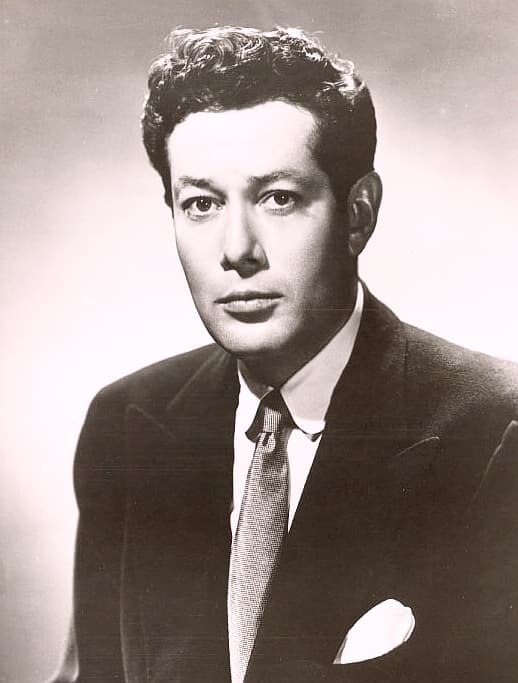
Tod Andrews
Rev. Bruce Ferguson
1h 15m available with multiple audio tracks and subtitles.
Ida Lupino
Director
Mala Powers
Ann Walton
Tod Andrews
Rev. Bruce Ferguson

Robert Clarke
Jim Owens
Raymond Bond
Eric Walton
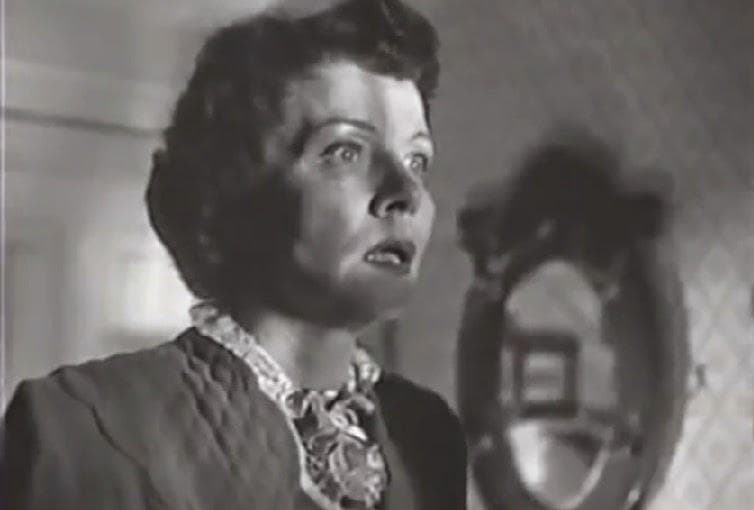
Lillian Hamilton
Mrs. Walton
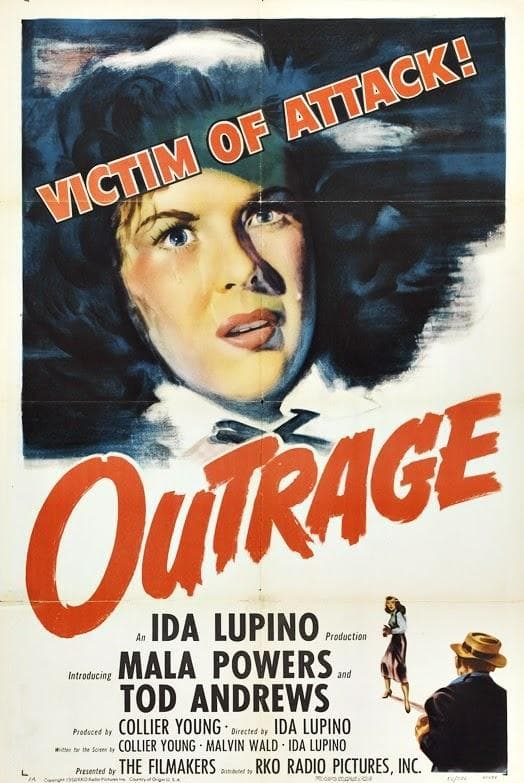
Rita Lupino
Stella Carter
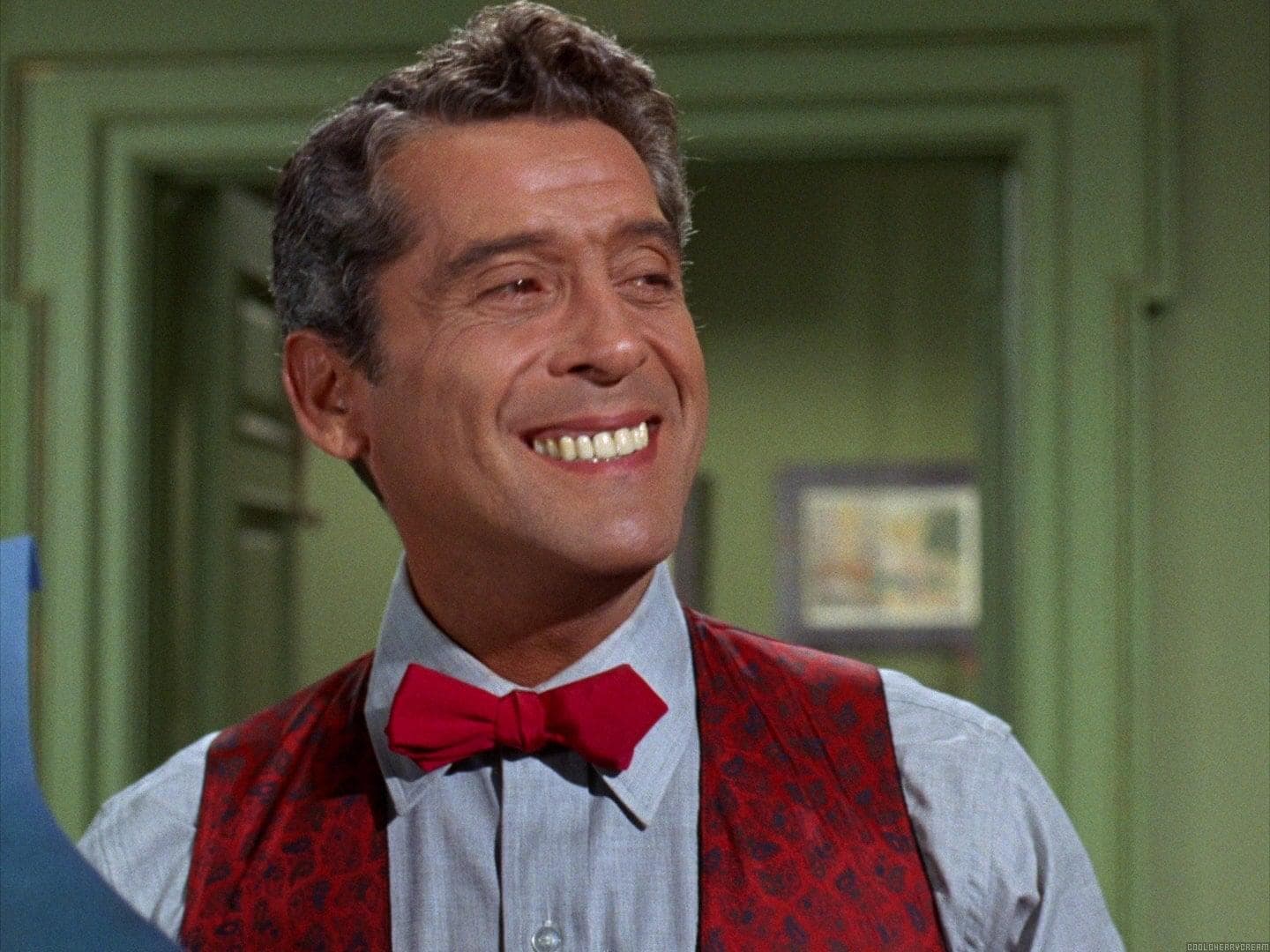
Hal March
Detective Sergeant Hendrix

verona_stalcia
May 29, 2023source: Outrage

مصراتي ✌🏻💪🏻🇱🇾
May 23, 2023The didacticism and sheer sweetness (a function of film score as well as script and direction) of the cinematic action following the deft direction of a traumatic rape scene will strike many of today's viewers as dated. But upon closer inspection "Outrage" is subtle where least expected--both in terms of its understandings of rape and its expression of a feminine point of view in cinema. Lupino will not allow a male finance's hasty and almost violent insistence on marriage immediately following the rape of the protagonist (played by Mala Powers) to become separated in the victim's--and by extension the viewer's--mind from the central theme, and plot-motivating device, of rape itself. The villainy of rape cannot be solved by the seemingly heroic gesture of the male, whose "sacrifice" places as much emphasis on the woman's exceptional circumstances as do the violation committed by the rapist. Such attempts to deny the reality of rape simply serve to ensure its persistence. The attempt to erase part of victim's past is another way of treating her as less than human. The scene in which Powers' character hits an overly aggressive playboy with a wrench lacks the semblance of realism because Lupino shoots it from the point of view of the victim whose action in the present is dictated by the emotions triggered by her remembrance of the past. It's doubtful that any male director would have captured the scene in such non-violent, non-realistic detail and yet enabled us to see the action for what it is--an attempt by the character to erase the impression that the initial criminal act has left on her emotion-mental being. Some modern viewers will no doubt accuse Lupino of being overly idealistic in portraying the rapist less as a criminal than himself the victim of an illness--one that would be curable, moreover, in a more socially aware and progressive culture. Unfortunately, the sheer logistics of psychological treatment leading to cures of those guilty of such heinous criminal acts will make Lupino's sentiments seem hopelessly naive to today's viewers. But is that sufficient reason to fault the director for acknowledging the gender divide as a two-way street? Aside: Notice the scene in which the empowering new male friend is shown playing the piano from a camera POV just opposite his hands. In a subsequent scene, the piano is shown placed against the wall, which would make such a shot impossible. As first I couldn't help but marvel at the similarity of a heavy detective to Hal March, host of the the highly popular "60,000 Question," prior to its exposure. Looking at the credits will reveal that it IS Hal March (the loss of 15-20 pounds obviously didn't hurt his career as much as the downfall of the popular quiz show).

Mannu khadka
May 23, 2023Ida Lupino was one of the few women to break through the directorial glass ceiling in Hollywood under the studio system. Not surprisingly, she also tackled proto-feminist themes that, when touched at all, were approached in so gingerly a manner that it was seldom quite clear what was being talked about. In Outrage, she treats rape and its aftermath, and though throughout the short movie it's referred to as `criminal assault,' she leaves, for once, no doubt about what happened. Mala Powers (in her official debut) plays a secretary-bookkeeper at a big industrial plant; she lives with her parents but is engaged to a swell guy (Robert Clarke), who just got a raise and now makes $90 a week. Leaving the plant after working late one night, she finds herself being stalked. In the ensuing scene the best in the movie she tries to escape her pursuer in a forbidding maze of buildings and alleys but fails. When she returns home, disheveled and in shock, the police can't get much out of her; she claims she never saw her attacker (who manned a snack truck outside the factory). Trying to pretend that nothing happened, she returns to her job but falls apart, thinking that everybody is staring at her, judging her. She goes into a fugue state, running away to Los Angeles on a bus but stumbling off at a rest stop. Waking up in a strange ranch house, she learns that she's been rescued by Tod Andrews, a young minister in a California agricultural town. She lies about her identity and takes a job packing oranges. The two fall vaguely in love, but it's clear to Andrews that Powers is keeping dire secrets. When, at a company picnic, she seizes a wrench and cracks the skull of Jerry Paris, who was trying to steal a kiss, the truth about her past comes out.... It was a courageous movie to come out in 1950, and that may explain and excuse some of its shortcomings. Lupino never recaptures the verve of the early assault scene, and the movie wanders off into the bucolic and sentimental, ending up talky and didactic. Yes, Lupino had important information to impart, but she didn't trust the narrative to speak for itself. Her cast, pleasant but bland and generic, weren't much help, either, reverting to melodramatic postures or homespun reassurance. But Outrage was a breakthrough, blazing a trail for later discourse on what the crime of rape really is, and what it really means to its victims.

khalifaThaStylizt
May 23, 2023Ida Lupino was a great actress and director and was a strong fighter for WOMEN'S RIGHTS which is shown in this B&W 1950's film. Lupino did her very best to show the great mental HARMS that women must go through all their life when such CRIMES are committed. Mala Powers,(Ann Walton),"Cyrano de Bergerac",'50 was a young woman about to be married and very happy and was deeply in love with her future husband. All of a sudden she is violated and she becomes ashamed to go back to her family, future husband or even work place and runs away with all these mental problems in her mind and soul! She becomes a tortured human being and runs into Tod Andrews,(Rev. Bruce Ferguson),"From Hell it Came",'57, who has problems of his own, however, he is able to help Mala find love and confidence and only scratches the surface for her ever becoming a Normal person and a loving woman. Hal March,(Detective Sgt. Hendrix),"The $64,000Question,'55 TV Series Emcee comes to Mala's aid after she almost kills a young man just trying to show her attention. This film is over 54 years old, but it still tells a story that never seems to END! This was a great effort on the part of Ida Lupino to open up the eyes of AMERICA and LAW ENFORCEMENT AGENCIES!