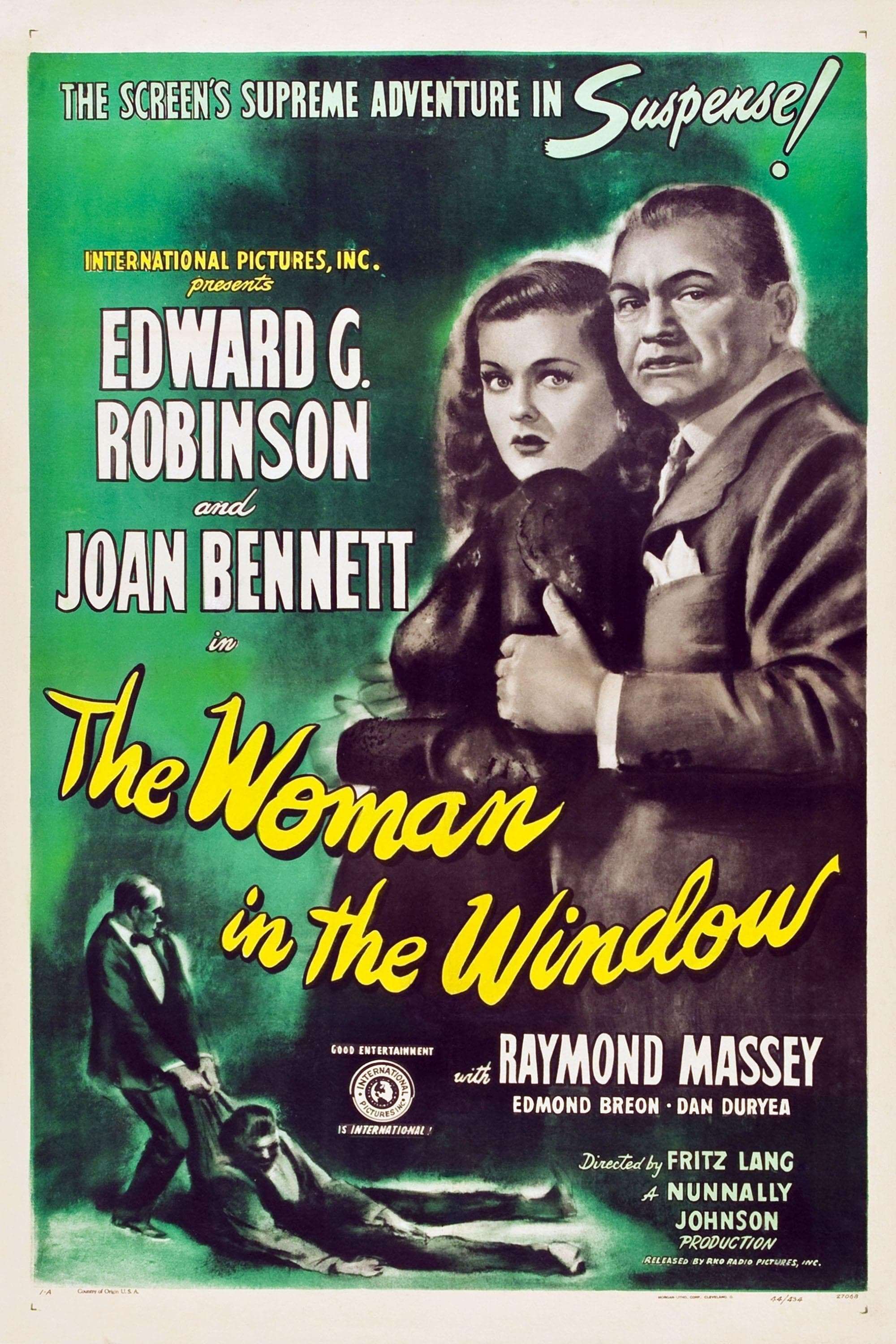
Overview
1h 47m available with multiple audio tracks and subtitles.
Cast & Crew
23 members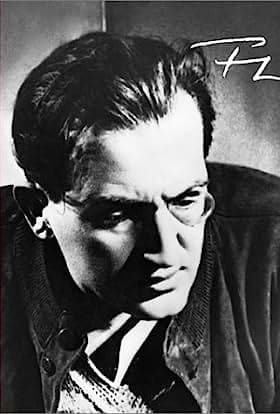
Fritz Lang
Director
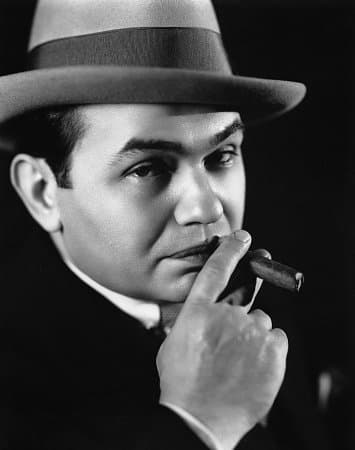
Edward G. Robinson
Professor Richard Wanley
1h 47m available with multiple audio tracks and subtitles.
Fritz Lang
Director
Edward G. Robinson
Professor Richard Wanley
Joan Bennett
Alice Reed
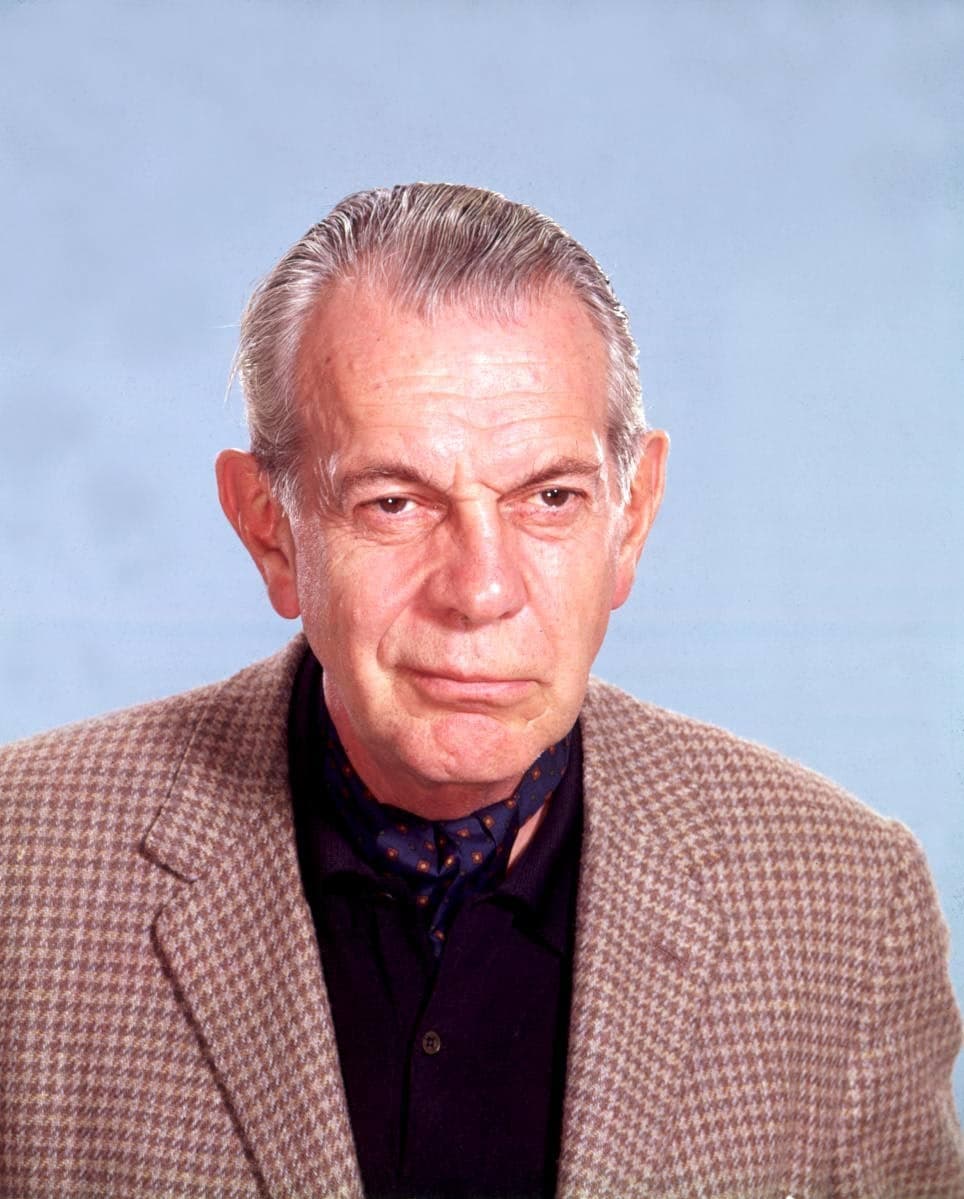
Raymond Massey
Frank Lalor
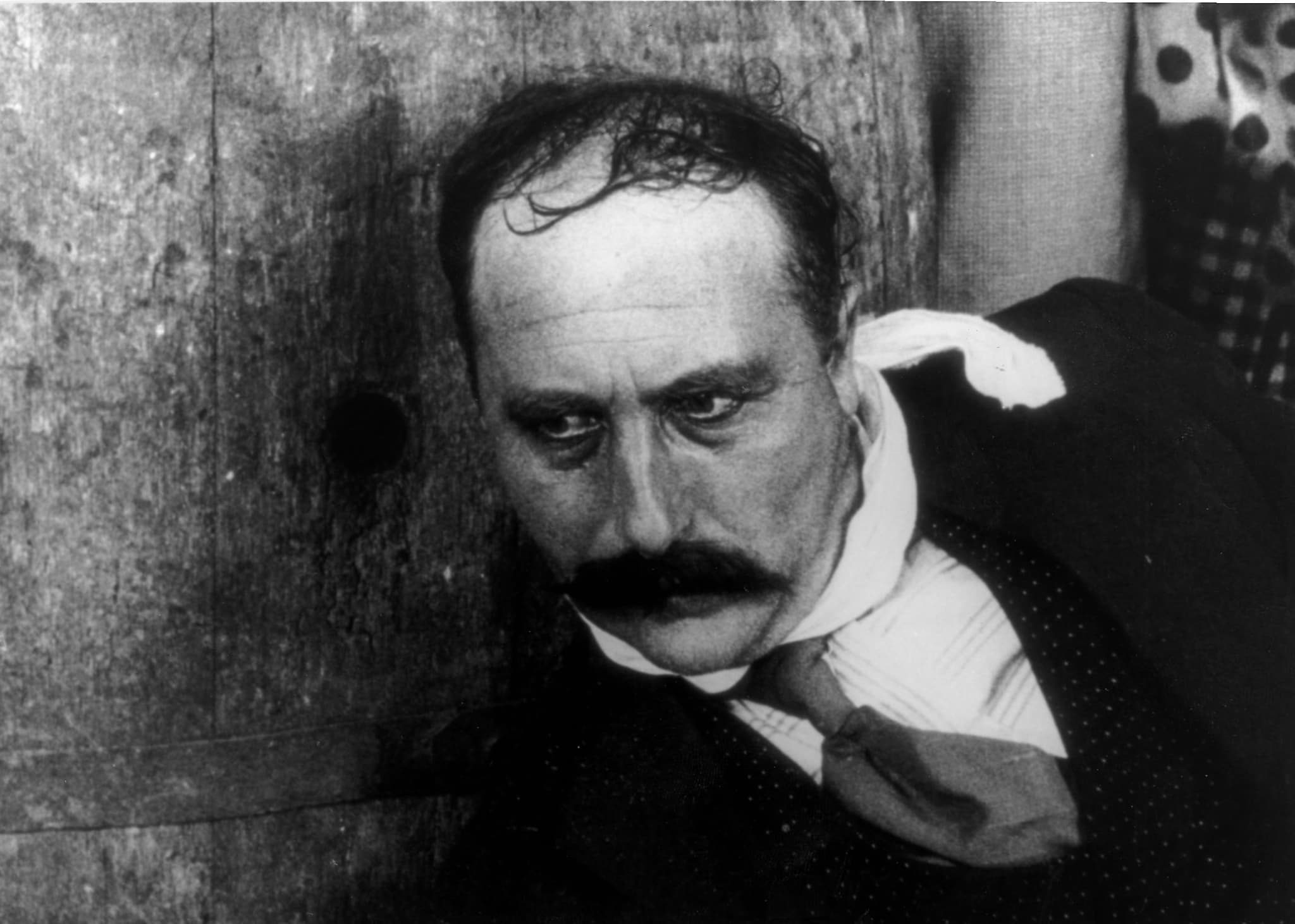
Edmund Breon
Dr. Michael Barkstane
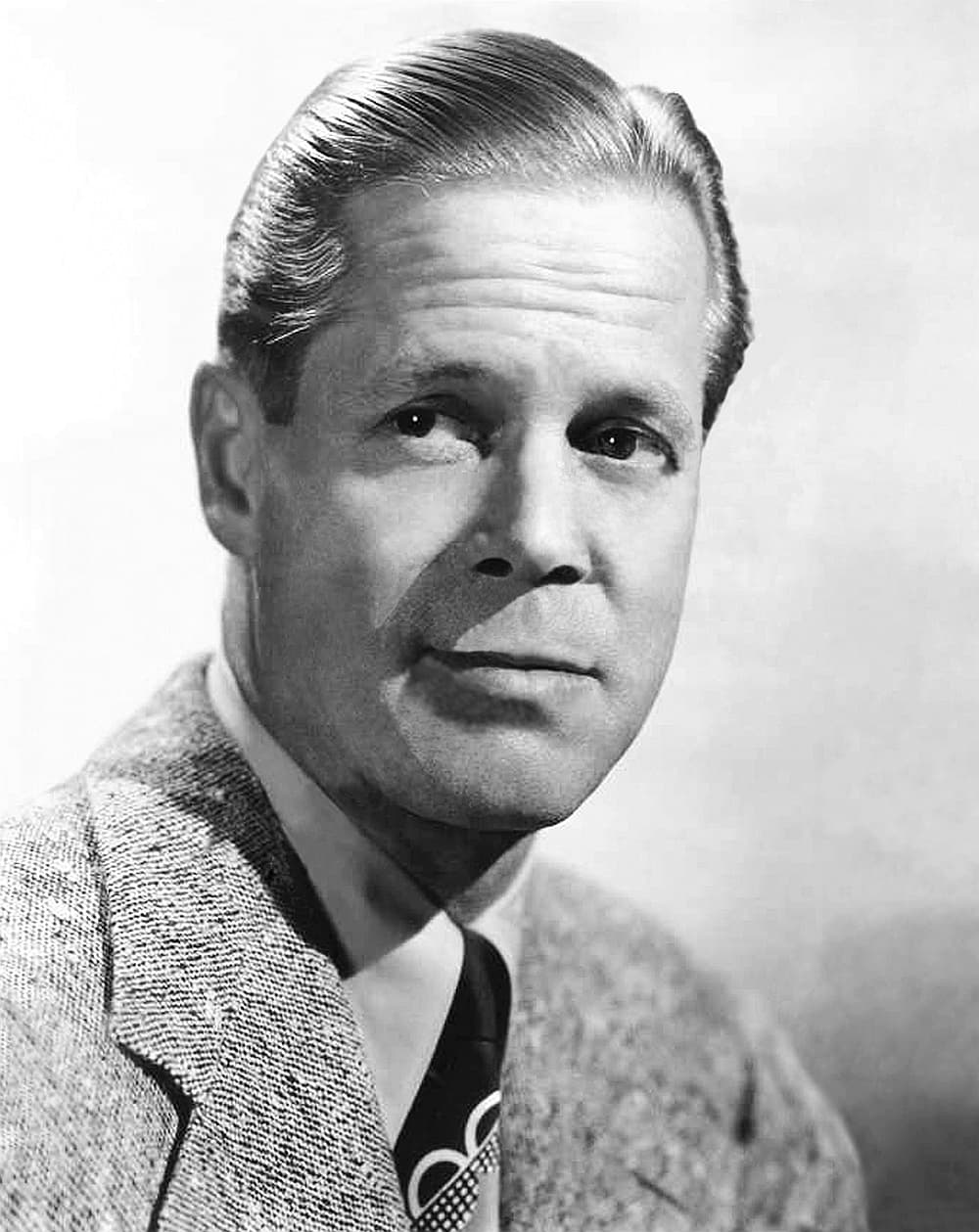
Dan Duryea
Heidt
Dan Duryea
Tim
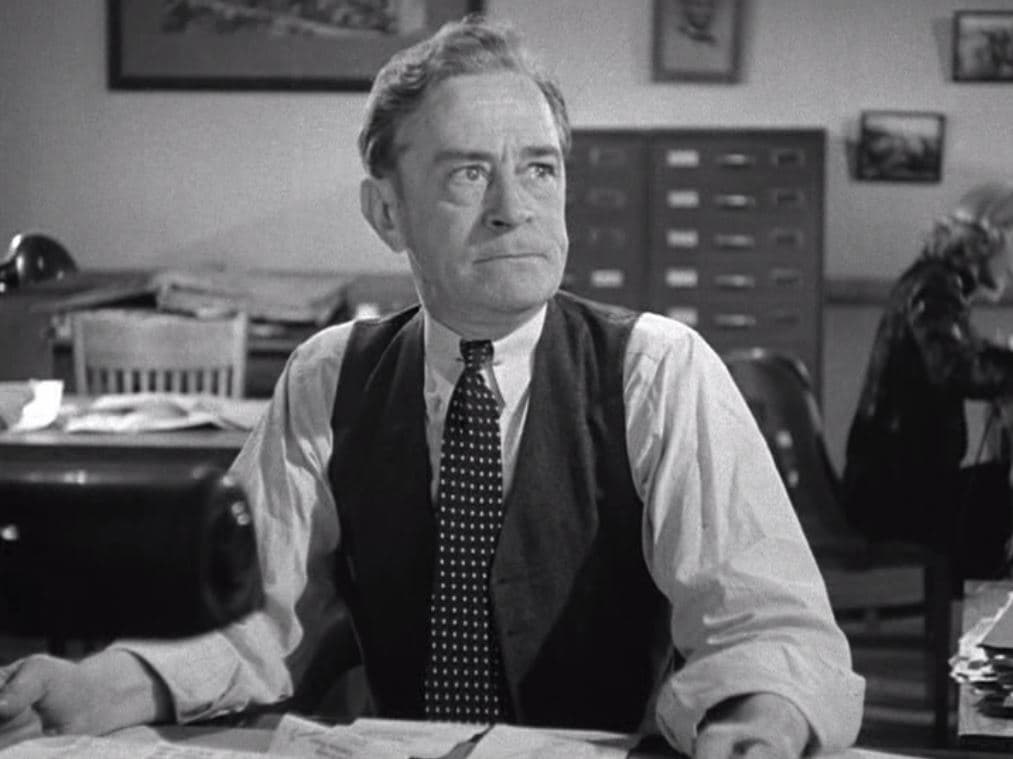
Thomas E. Jackson
Inspector Jackson

Mahi Gebre
May 29, 2023source: The Woman in the Window

Luthando Shosha
May 23, 2023The Woman in the Window is directed by Fritz Lang and adapted by Nunnally Johnson from the novel "Once off Guard" written by J.H. Wallis. It stars Edward G. Robinson, Joan Bennett, Raymond Massey & Dan Duryea. Music is by Arthur Lange and Milton R. Krasner is the cinematographer. After admiring a portrait of Alice Reed (Bennett) in the storefront window of the shop next to his Gentleman's Club, Professor Richard Wanley (Robinson) is shocked to actually meet her in person on the street. It's a meeting that leads to a killing, recrimination and blackmail. Time has shown The Woman in the Window to be one of the most significant movies in the film noir cycle. It was part of the original group identified by Cahiers du Cinéma that formed the cornerstone of film noir (the others were The Maltese Falcon, Double Indemnity, Laura and Murder My Sweet). Its reputation set in stone, it's a film that boasts many of the key noir ingredients: man meets woman and finds his life flipped upside down, shifty characters, a killing, shadows and low lights, and of course an atmosphere thick with suspense. Yet the ending to this day is divisive and, depending what side of the camp you side with, it makes the film either a high rank classic noir or a nearly high rank classic noir. Personally it bothers me does the finale, it comes off as something that Rod Serling could have used on The Twilight Zone but decided to discard. No doubt to my mind that had Lang put in the ending from the source, this would be a 10/10 movie, for everything else in it is top draw stuff. At its core the film is about the dangers of stepping out of the normal, a peril of wish fulfilment in middle age, with Lang gleefully smothering the themes with the onset of a devilish fate and the stark warning that being caught just "once off guard" can doom you to the unthinkable. There's even the odd Freudian interpretation to sample. All of which is aided by the excellent work of Krasner, who along with his director paints a shadowy world consisting of mirrors, clocks and Venetian blinds. The cast are very strong, strong enough in fact for Robinson, Bennett and Duryea to re-team with Lang the following year for the similar, but better, Scarlet Street, while Lang's direction doesn't miss a beat. A great film regardless of the Production Code appeasing ending, with its importance in the pantheon of film noir well deserved. But you sense that watching it as a companion piece to Scarlet Street, that Lang finally made the film that this sort of story deserved. The Woman in the Window: essential but not essentially the best of its type. 8/10

moonit
May 23, 2023Interesting film is marred by the ending. While others find the ending to be an unusual twist, I found it to be a cop-out. Ed G. Robinson is a college professor who becomes directly involved in a murder after meeting the woman whose picture he becomes enamored with while staring at a window. The professor is an amateur at crime as we see by the mistakes he makes and we are amazed at the ability of the police, led by Raymond Massey, in picking up clues. You would think for sure that Robinson and Joan Bennett, the woman he kills for, would be found out at the end. There is a slick blackmailer who knows all the angles. It appears that Robinson and Bennett are done for and there is nothing left for Robinson to do but to commit suicide. Voila! The dream sequence ends. See Robinson run down the street like a frightened kitten when a woman asks him for a light. Come on. This could have been a thriller of a murder film. It is simply done in by the cop out ending. Even Dorothy upon waking up in Oz would have been annoyed with this.

Faith_nketsi
May 23, 2023I have to disagree with all the people who say that the ending spoils the whole movie. In my opinion, it is just the opposite: the end makes the whole film much better. First of all, it is the only way to make the whole thing realistic. Is it possible to believe that a professor -supposed to be an intelligent person- would react to a murder in the way he does, i.e., getting rid of the body, when it would have been very easy for him to prove his innocence? Furthermore, is it logical his suggestion of killing the blackmailer? Of course, it could all have been that way, but then it would not have been such a realistic film as it actually is; it would have been a good thriller, but nothing more. Actually, it is a thriller, but also a deep description of the human mind. All the "thriller" is a description of the professor's hidden desires and fears. Some interesting details: -When he is giving a lecture at the beginning of the film, the name of Sigmund Freud is written on the blackboard. Freud's theories are the key of the film. -During all the dream, whenever the professor appears in his house, portraits of his wife and children are visible. This shows once again his fears and his state of mind.