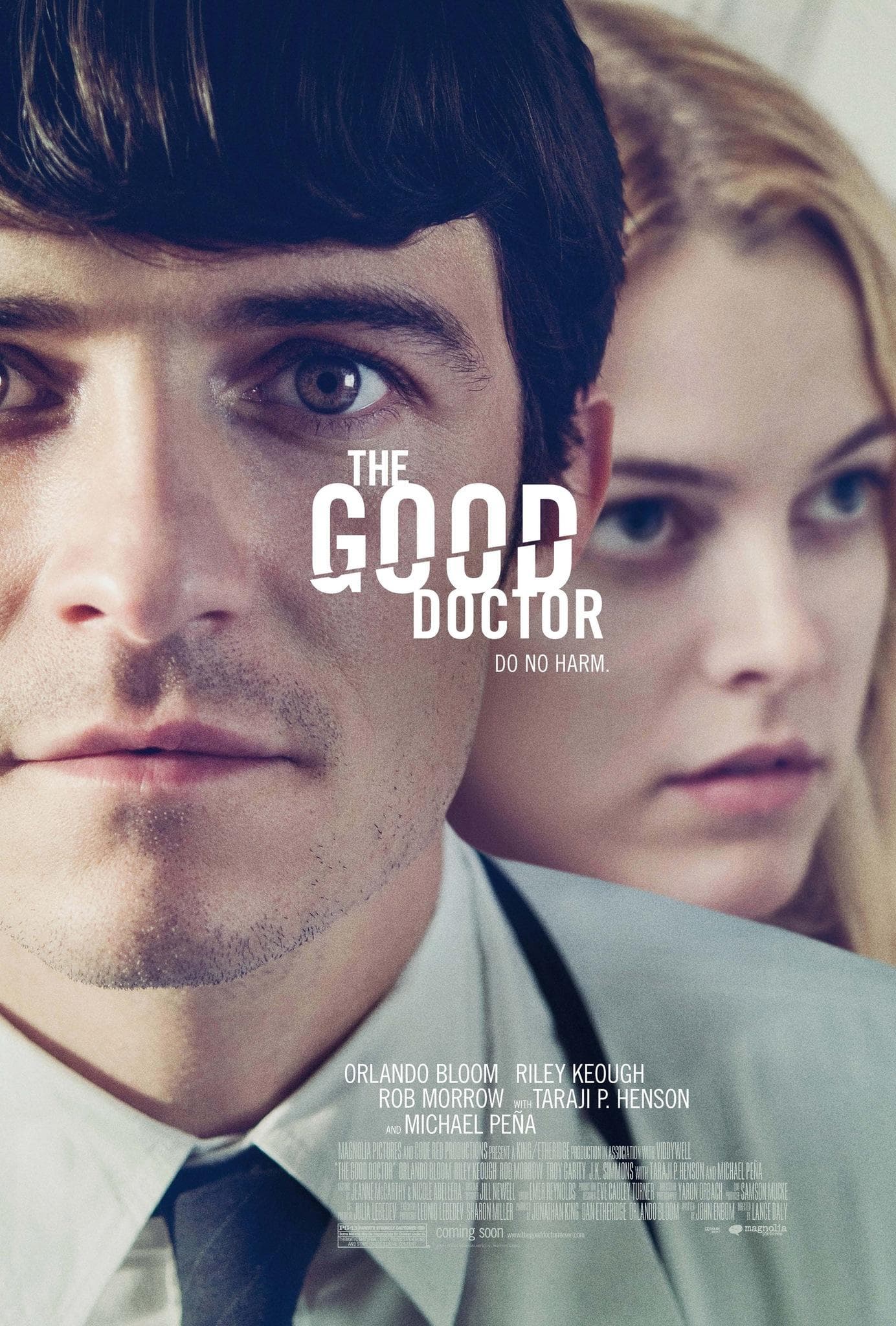
Overview
1h 33m available with multiple audio tracks and subtitles.
Cast & Crew
18 members
Orlando Bloom
Dr. Martin Blake

Riley Keough
Diane Nixon
1h 33m available with multiple audio tracks and subtitles.
Orlando Bloom
Dr. Martin Blake
Riley Keough
Diane Nixon
Taraji P. Henson
Nurse Theresa
Rob Morrow
Dr. Waylans
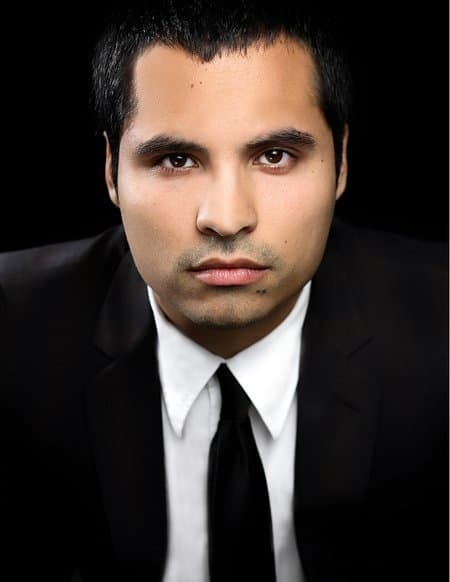
Michael Peña
Jimmy
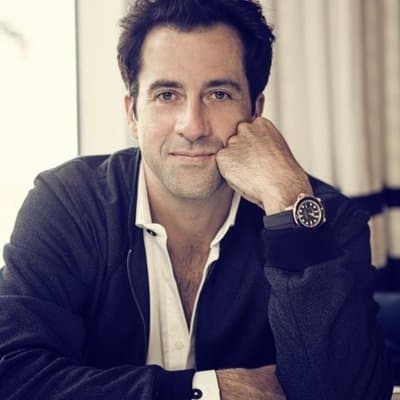
Troy Garity
Dan

Molly Price
Mrs. Nixon
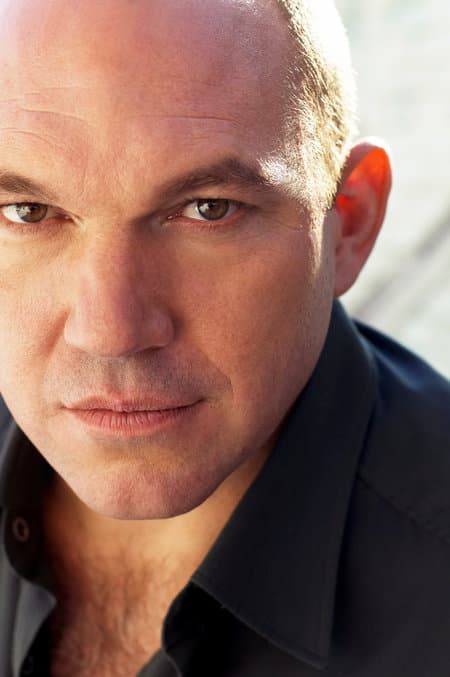
Wade Williams
Mr. Nixon

moonit
May 29, 2023source: The Good Doctor
Bilz Ibrahim
Nov 22, 2022**** MAJOR SPOILERS !!! MAJOR SPOILERS !!!!!!!! ***** The back-breaking part of this film was how slowly it evolved. Like nails scraping a blackboard, it finally got to the doctor "doctoring" his patient's IV. There seemed to be little scientific backdrop to any of the times he spiked the UTI medication (just one 5-minute block on this would have sufficed, not two). With a team of a researcher and a specialist and researcher collaborating and overseeing, they found nothing! What was in the IV? The pills? Dr. House would have got to the bottom of this mess in five seconds. The love story was weak -- a shallow, emotionally underdeveloped physician, whose only reason for becoming a doctor was to gain respect, has an affection for a teenager, consummated by a solitary kiss when she's passed out. The Lolita story is not new. Nor is doctor adoration. The only enjoyable part (and real action) was when he killed the orderly. But this too was unbelievable. The doctor seemed more worried about material in the girl's diary being culpatory when at most it would reveal her one-sided, subjective infatuation. A more credible story would be that the doctor wanted to know her true feelings about him and their "relationship." That would have been more interesting despite the creep factor. The scene near the end when the doctor ran (or imagined he ran) into the ocean and nearly drowned was weak. And weakened further when he returned after jumping out a window, standing on the beach for a bit, after his toilet was noisily overflowing with a perceptive detective in the next room. The only realistic explanation could be that the doctor actually committed suicide in the water and the ending was an afterlife fulfilment of his life dream – confidence, respect. The acting I liked was the orderly and the father. Their characters were a bit oversimplified but scenes of the orderly trying to get laid and the father threatening the doctor were a welcome change from the sappy, beatific look assumed by the doctor, which also added to the boredom. The detective and Nurse Theresa were realistic and I think both actors accepted a script that was far below their levels. I also think it's unrealistic that a family with two attractive young daughters would invite the doctor into their house so openly – with a naivete that set up the beginning of the murder – prefaced by the father saying his youngest had really "taken a shine" to the doctor. Even less credible was the doctor actually accepting such an invitation -- more than once. In what year or what small town would we see such a turn of events? But I did like the abrupt, inconsistent ending. The doctor finally had arrived. After having murdered two people, seeped in the self-confidence he has always lacked, you see him multi-tasking, saving lives, fielding rapid-fire life-or-death questions finally in his glory and his element. And in a few seconds it shook the morose, gnawing feeling that had been hanging through the whole film. The film lacked a frank, realistic discussion of the issue of ethics in doctor-patient relationships.

user2823330710291
Nov 22, 2022An unseen Orlando Bloom captures you in this movie like he has never done before. He is seen in the 80% of the time with intense close-up and histrionic facial expressions. Martin is capable doctor, he is really alone in his life. One day he meets a teen patient, Diane Nixon, and he cares her. When she is released, her parents invite Martin for a dinner at their home. During this visit, Diane is not present because she is trying to get back with her boyfriend. Martin visits her room and steals a picture of her. Diane leaves a message on Martin's answering machine in which she apologizes for not being present and she asks him to go her place in order to let her parents give him a little present. During this new visit at Nixon's house, Martin changes Diane's medicine. Girl's health condition returns to be severe, and she goes back to the hospital. Martin sabotages Diane's therapy in order to have her nearest as possible. He even gets jealous about her young boyfriend. All doctors cannot explain why Diane's worsens and finally she dies. Martin, who kissed her before she passed, is shocked about that. In spite of young girl's death, he manages to continue his life as if nothing happened, until when a male nurse finds Diane's diary ,which contains many secrets, and starts threatening martin. Will Martin finally tell the truth or will he continue to lie? Thrilling photography, suggestive soundtrack.

Namrata Sharma
Nov 22, 2022It's a movie for adults. There is no secret demonic conspiracy or medical cover-up or madman trying to spread a virus that will kill every man taller than he is. Instead we have an ordinary internist at a big hospital, the properly taciturn Orland Bloom, who becomes so attracted to a young woman who is his patient that he goes to extraordinary lengths to keep her in the hospital. His plan to keep her in the hospital succeeds, but her winding up in the morgue is extempore. Well, Bloom is a good doctor with an otherwise unimpeachable reputation and her death affects him deeply. Ridden with guilt, he's then approached by a vulgar orderly who has found the deceased's diary outlining much of what's been going on. The impertinent orderly, Michael Peña, demands a constant supply of dope from the doctor who, when he discovers that the supply must be unending, slips the arrogant underling a dose of KCN. That's potassium cyanide. I happen to remember it because late one night I released some of the gas when I worked in a tool and die shop, just out of curiosity. It didn't smell like almonds, but like peaches. The next day the boss carried on about the equipment somehow having gotten rustier overnight. I couldn't make out what other shenanigans the doc was up to. (By this time, his term of reference has been reduced in social value from "the good doctor" to "doctor" to just plain "doc".) Aside from the dope, I did notice him snatch a vial or two of something from the supply room, and he fiddled around the labels on some Petri plates -- a very naughty thing to do, as I recall. I don't claim to know much about medicine but I know what I like. At any rate, it was a relief to watch a movie in which no one's head gets twisted off, there is no high-speed pursuit ending in a cataclysm, and no half-caste zombies. Orlando Bloom is excellent in the role of the young, earnest, enthralled physician. He has all the expressiveness of a tax auditor. He takes his work and his ethics seriously. If only he hadn't fallen for that pretty blond, Riley Keough, with the woeful voice. She's not even phenomenally beautiful, but rather her appeal lies in the fact that she projects the trust, vulnerability, and innocence of a child. Rob Morrow is memorable in a small part. Lance Daly's direction is straightforward and allows us to see what's going on. The camera does not wobble, neither does it swish pan. There are, though, probably too many huge close ups for a movie made in this classic style. It is, after all, not a TV movie but a feature film designed to be seen in theaters, and who needs J. K. Simmons' head to be sixteen feet tall? Even the title is nicely apt: "the good doctor," ironic and yet descriptive. Bloom really IS a good doctor, except that he's responsible for one accidental death and one deliberate murder. Doctors always get away with murder. A good friend, who is a doctor, was always late for appointments because he was disorganized, but when he rushed into the examining room, the patiently waiting patient would apologize to HIM because he knew how busy doctors were. The rest of us aren't so lucky.